A by the Alabama Department of 91传媒, in collaboration with the University of Alabama Center for 91传媒 Information and Research, shows that widespread adoption of IBHS FORTIFIED could dramatically reduce insurance claims from hurricanes, while also encouraging property/casualty insurers to maintain coverage in high-risk areas.
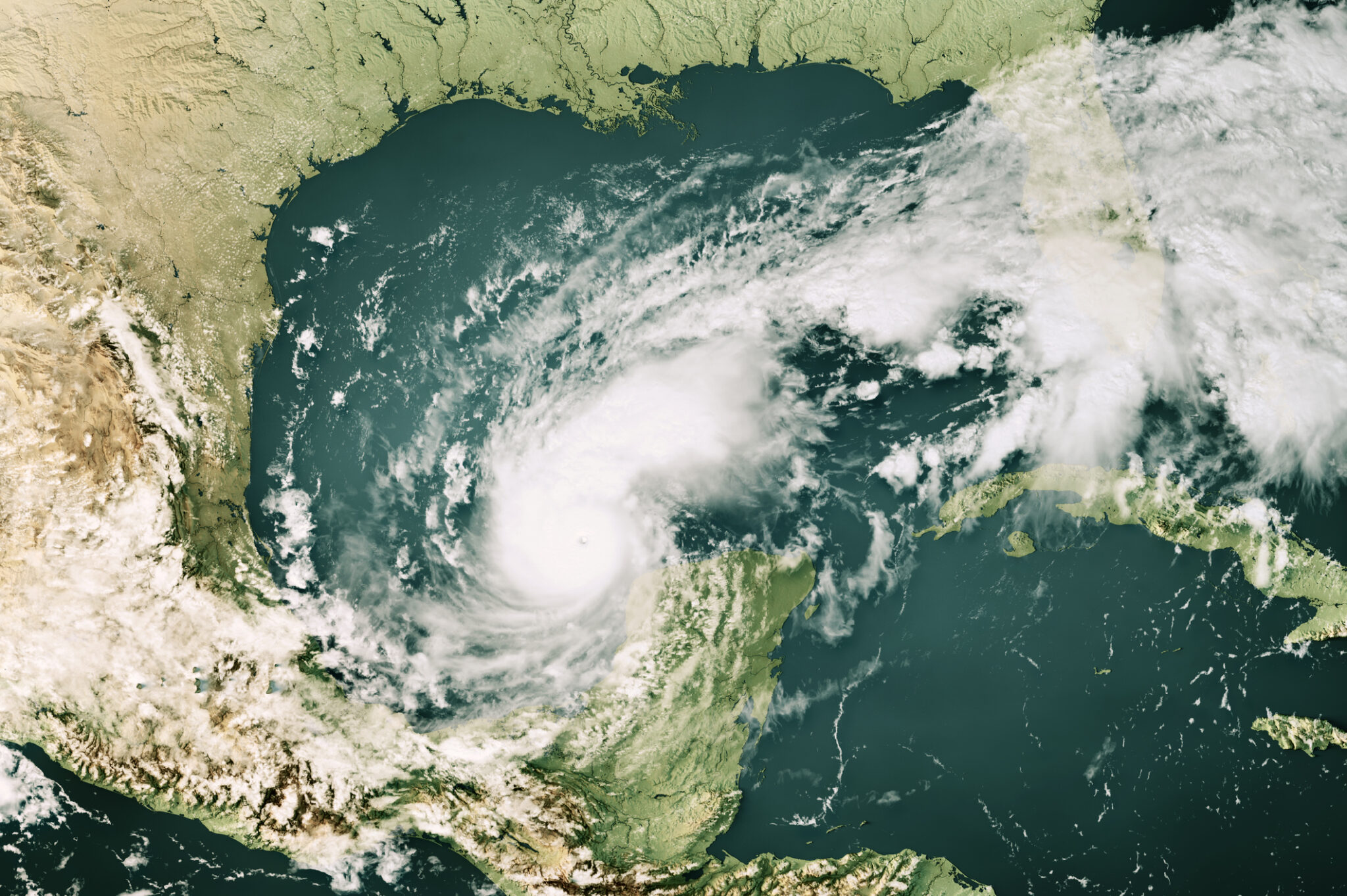
Homes built or retrofitted to FORTIFIED standards from the 91传媒 Institute for Business & Home Safety were found to have suffered far less property damage and a lower volume of insurance claims from Hurricane Sally 鈥� which made landfall in Gulf Shores, Alabama, as a Category 2 storm in September 2020 鈥� than non-FORTIFIED properties.
鈥淭he results show mitigation works and that we can build things that are resilient to climate change,鈥� said the author of the study, Triple-I non-resident scholar Lars Powell.
A collective effort
Alabama鈥檚 proactive approach 鈥� which includes mandatory insurance discounts and a state-backed grant program for resilient construction 鈥� offers a model for risk mitigation and protecting homeowners from catastrophic winds of tropical cyclones.
鈥淎labama was an early adopter of FORTIFIED designations for wind loss mitigation,鈥� the report says. 鈥淚n 2025, there are more than 53,000 FORTIFIED houses in the state,鈥� out of approximately 80,000 nationwide.
The state grants and insurance discounts have been a big motivator for homeowners to make the investment. Lawmakers in other hurricane-prone states, , are looking to Alabama鈥檚 strategy as they seek solutions for predicting and preventing losses from increasing natural disaster risks.
Learn More:
Outdated Building Codes Exacerbate Climate Risk
Resilience Investments Paid Off in Florida During Hurricane Milton